

South Africa Winelands Bike Tour
Cape Town to the Cape Winelands: Mountain Biking Stellenbosch + Beyond

Tour Highlights
- Cycle picturesque Chapman’s Peak Drive, considered the most beautiful road in South Africa
- Spend the afternoon tasting South Africa’s top wines with a local winemaker
- Ride some of the best MTB trails in Africa, including single tracks that sparked a countrywide mountain biking movement
- Visit a local township and taste traditional vetkoek frybread prepared by a beloved community member
- Reconnect with nature on a ride through Jonkershoek Nature Reserve, discovering unique South African flora and fauna like king protea flowers, gemsbok, and soaring eagles
Eat
Braaivleis (barbecued meat), biltong jerkey, pap (a type of polenta), and mieliebrood (cornbread with a South African spin)
Drink
Local Savanna cider, award-winning South African wines including Cabernet and Syrah, and especially the indigenous varietal Pinotage
As featured in:


Itinerary
Print Itinerary- Day 1
Welcome to the Rainbow Nation
Your guides will meet you at the Cape Town waterfront early this morning. After a bike fitting and safety briefing we set out for our first ride toward Jonkershoek, a nature reserve occupying a dramatic valley near the major wine destination of Stellenbosch. Some say that South African mountain biking was born right here, since the trails in this preserve launched the sport’s popularity. We’ll enjoy a post-ride lunch at our favorite little cyclist café. A short transfer or hilly extra ride brings us to our hotel, a working wine farm surrounded by the dramatic Simonsberg and Drakenstein mountains. A special treat awaits our arrival: one of our favorite winemakers, Johan, will lead us through an introductory tasting of South Africa’s most celebrated wines. Tonight we dine among the vines at a family-owned estate recognized as one of the best in the Cape Winelands. Chef Caroline Coetzee’s food is complemented by local artwork on display in her restaurant—an all-around showcase of South African talent.
Meals: Lunch / Dinner
Destination: Jonkershoek, Helshoogte
Accomplished: 16 miles / 26 km, elevation gain: 1,788 feet / 545 meters
Longer Option: 24 miles / 40 km, elevation gain: 2,870 feet / 875 meters
Accommodation: Clouds Estate or De Zeven Guest Lodge - Day 2
Cycling Stellenbosch
Today we ride to Boschendal Wine Estate on bike trails beloved by local cyclists and pros alike—they’ve even hosted South Africa’s Cape Epic mountain bike race. But don’t be intimidated, today’s ride lends itself to cyclists of all levels: choose to rack up miles in the saddle or take it easy and treat yourself to an extra glass of wine (or wyn in Afrikaans), if you prefer. Either way, explore the country’s complicated history as we pedal on single tracks through the vineyards, passing pristine manors juxtaposed with humble agricultural villages. Stop for a snack of traditional roosterbrood at a local woman’s home then continue cycling to the winery for a seasonal lunch in their charming werf, or farmyard. This evening we’ll head into the historic town of Stellenbosch—one of the country’s first Dutch settlements and a treasure trove of colonial architecture—for a stroll through its oak tree-lined streets and dinner at one of our favorite restaurants.
Meals: Breakfast / Lunch / Dinner
Destinations: Helshoogte, Kylemore, Boschendal, Stellenbosch
Accomplished: 21 miles / 34 km, elevation gain: 1,391 feet / 424 meters
Optional Extra: 26 miles / 43 km, elevation gain: 2,070 feet / 631 meters
Accommodation: Clouds Estate or De Zeven Guest Lodge - Day 3
Local is “Lekker”
This morning, our transfer brings us to the trails of Bottelary Hills Conservancy: an immaculately maintained network of mountain biking routes connecting nearly 40 local vineyards. Great pains were taken to preserve the native flora, including fruit orchards, lilies, and fynbos (a type of vegetation unique to South Africa). Our ride rewards us with views all the way to Table Mountain, and we’ll stop for a picnic lunch at the Jordan Wine Estate. Spend the rest of the evening at an informal South African settlement, getting to know the local personalities during a walking tour. After, we’re invited to dinner with the locals as they share their food, stories, music, and traditions with us over the course of an unforgettable evening.
Meals: Breakfast / Lunch / Dinner
Destinations: Bottelary Hills, Stellenbosch
Accomplished: 16 miles / 26 km, elevation gain: 1,738 feet / 530 meters
Longer Option: 36 miles / 45 km, elevation gain: 3,284 feet / 1,001 meters
Accommodation: Jordan Wine Estate - Day 4
Wine to Waves
As we pedal out of Stellenbosch this morning, we may cross paths with the South African pheasants called tarentaal as they scurry noisily through the vines or eagles manning their posts, protecting the vineyards from predators. Early European settlers realized the appeal of these peaceful foothills and their exquisite terroir, and the countryside remains some of the most coveted real estate on the continent. Just ask golfer Ernie Els, who scooped up a Western Cape winery where we’ll have lunch paired with estate wines. This afternoon, check into our final luxury hotel, located at the base of Table Mountain National Park. Tonight you’re free to head into Hout Bay for a sunset stroll on the beach followed by dinner on your own.
Meals: Breakfast / Lunch
Destinations: Raithby, Hout Bay
Accomplished: 19 miles / 32 km, elevation gain: 1,430 feet / 436 meters
Accommodation: Newmark Future Found Sanctuary - Day 5
Chapman’s Peak and Kalk Bay
Enjoy a laid-back morning before hopping on the bike for a final day of cycling. The road to Chapman’s Peak is considered the country’s most beautiful byway, so our ride over the peninsula includes plenty of photo stops. Our destination today is the quaint fishing village of Kalk Bay, its harbor of vocal sea lions basking in the warm sun and local fishermen selling this morning’s fresh catch. A lunch of fresh seafood is only fitting! Choose to take it easy for the rest of the afternoon—maybe checking out the colorful beach cottages—or keep on riding back to the hotel. For our final night, it’s sundowners and a fabulous dinner as we toast to our wonderful week together.
Meals: Breakfast / Lunch / Dinner
Destinations: Chapman’s Peak, Kalk Bay
Accomplished: 21 miles / 34 km, elevation gain: 1,919 feet / 585 meters
Longer Option: 29 miles / 47 km, elevation gain: 3,483 feet / 1,062 meters
Accommodation: Newmark Future Found Sanctuary - Day 6
Totsiens!
Spend your final morning in South Africa as you wish, whether you prefer to sleep in late or take a short hike to get your endorphins for the day. Before our guides bid you farewell, transfer with them to Cape Town International Airport or right into the city for those adding additional days to their trip.
Meals: Breakfast
Destinations: Kalk Bay
DuVine itineraries may be subject to slight route changes, hotel substitutions, and other modifications.
Arrival Details
Airport City: Cape Town, South Africa Pick-Up Location: One&Only Cape Town Pick-Up Time: 8:00 am
Departure Details
Airport City: Cape Town, South Africa Drop-Off Location: Cape Town International Airport or a downtown waterfront hotel Drop-Off Time: 12:00 pm
Arrival and departure details for alternate itineraries and future year departures may be subject to change.
Travelers Take Note
Familiarity with mountain biking is essential for this tour, as the majority of all riding takes place on dirt roads and single tracks.
Dates + Availability
Inclusions + Details
Accommodations
- Thoughtfully selected accommodations that reveal the true character of the region
- Luggage transfers
Meals
- Daily breakfasts, all lunches, nutritious snacks, and après velo cocktails
- 4 gourmet dinners at our favorite local restaurants and renowned culinary establishments
- Carefully selected local wine, beer, or spirits with every meal
Activities
- Wine tastings and activities as outlined in the tour itinerary
- Entrance fees to historic sites, museums, parks, and all other exclusive events
- Gratuities for baggage, porters, and hotel service
Gear
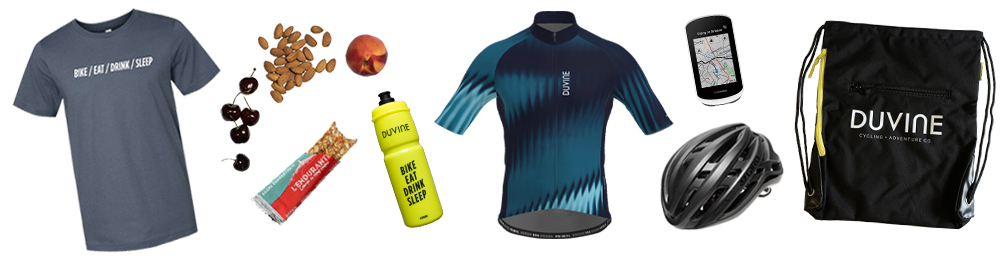
- Top-of-the-line bicycle selection
- Bike helmet
- Complimentary DuVine gear including a custom cycling jersey, DuVine t-shirt, water bottle, and drawstring bag
- GPS with pre-programmed route maps
Support
- Expert bilingual guides with extensive local knowledge
- Support vehicle that follows the day’s route, distributes refreshments, and offers lifts
- Pick-up and drop-off before and after your tour from predetermined meeting points
- Daily bike maintenance to ensure optimal performance

