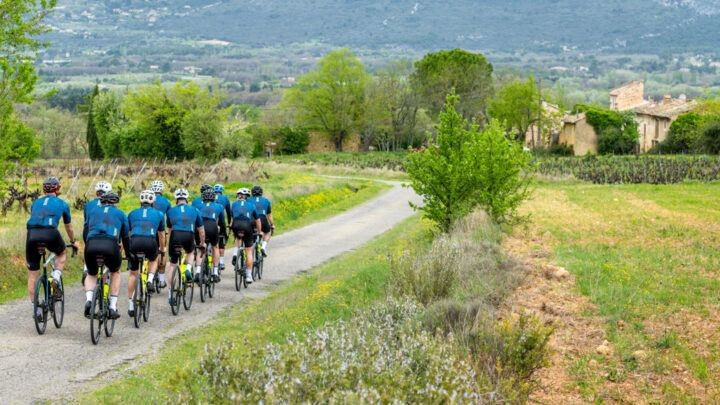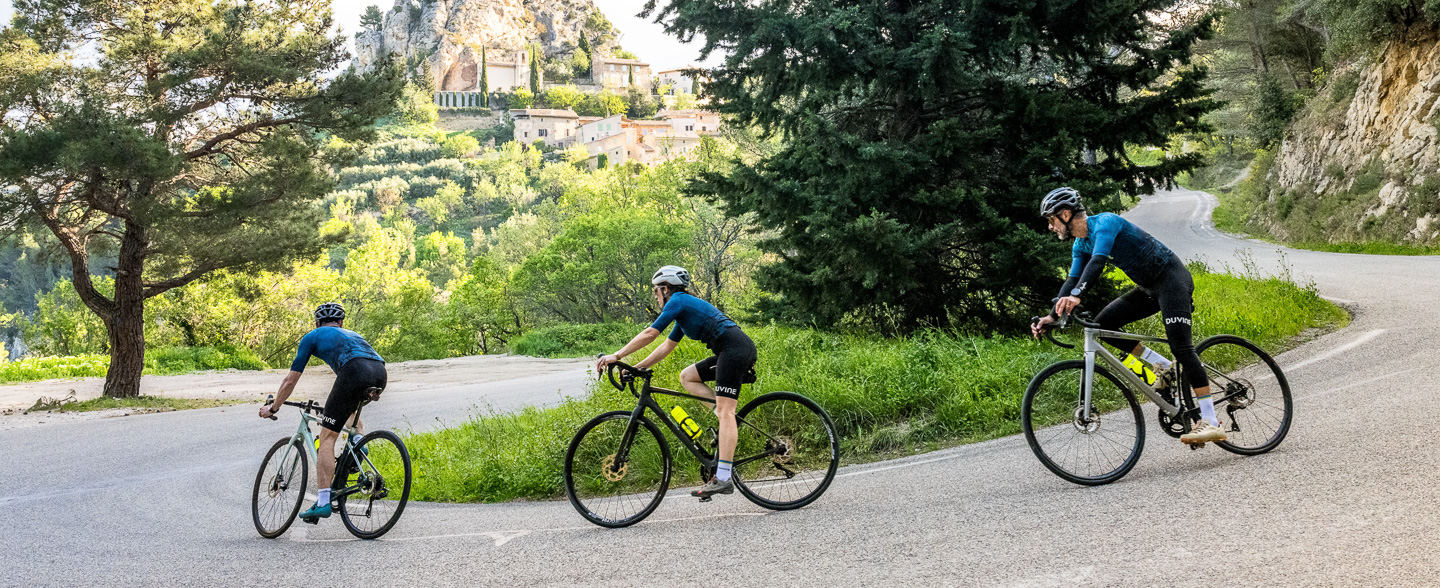
We’ve all heard the phrase “it’s as easy as riding a bike.” Many of us learned to pedal at a young age, but far fewer have mastered the essential skills needed to ride safely. After all, the carefree rides of childhood are far different from the realities of road hazards, varied terrain, and traffic conditions.
After 30 years of traveling the world by bike, we understand what keeps riders safe and confident on the road. With the expert advice of former pro cyclist and DuVine guide Arien Coppock, we’ve turned those lessons into practical safety tips every cyclist can use.
The Right Bike
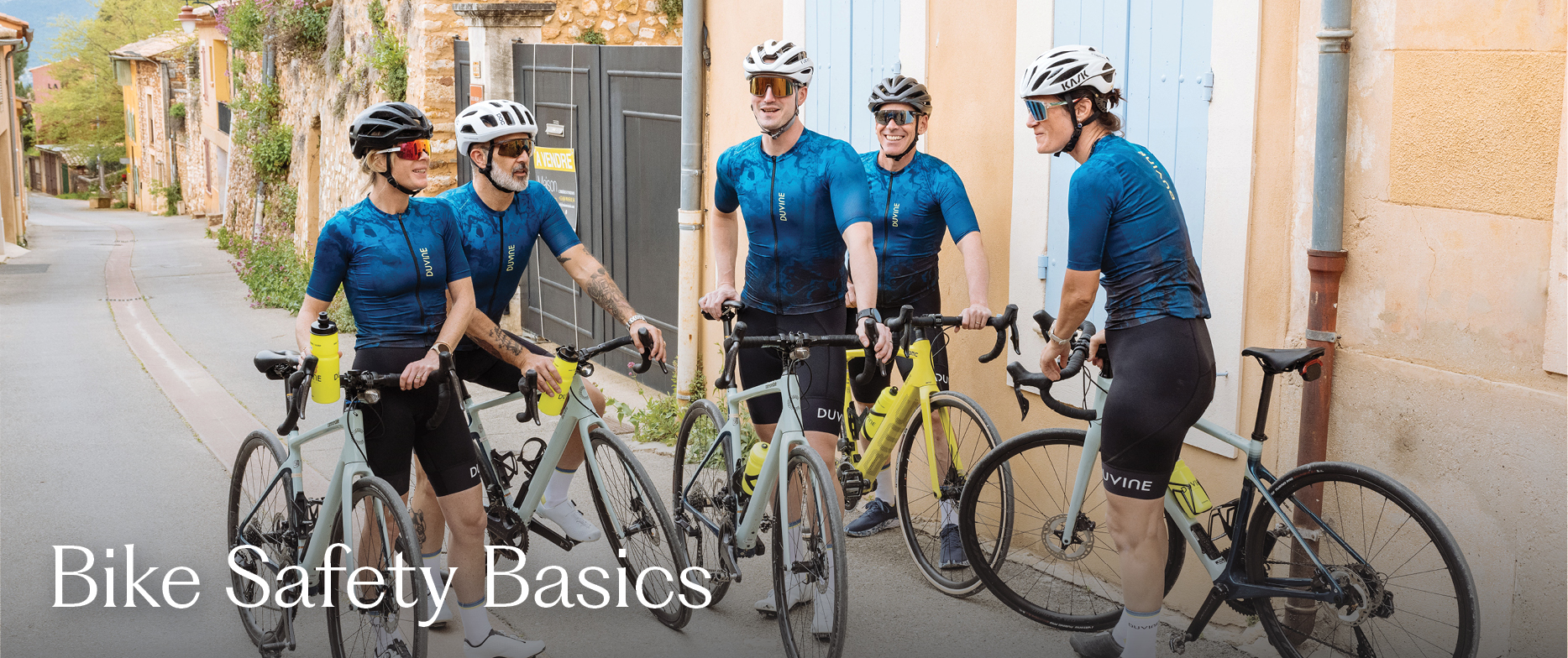
Basic bike safety begins with proper equipment. At DuVine, that means choosing the right bike for the way you ride. Our road, hybrid, and e-bikes are professionally tuned by mechanics before every tour, then individually fitted to you for maximum comfort and control. “Guides also maintain the bikes meticulously throughout every tour to keep them in perfect condition,” says Arien. “And every bike is equipped with a rear light for added visibility.”
At home, always complete an ABC Quick Check before heading out for a ride: A is for air, B is for brakes, and C is for cranks and chain. Make sure each component is in good condition and working properly, check that quick releases are tightly closed, then take a quick spin to test that everything is functioning as it should.
Quality Gear
A properly-fitting helmet is a cyclist’s single most important safety equipment and must be worn on every ride. Your helmet should sit level on your head, one or two finger-widths above your eyebrows. It should also stay in place when you move your head. Adjusting the chinstrap and the rear dial ensures a snug, comfortable fit. High-quality helmets are included on every DuVine tour.
The right attire also makes a difference. Padded bike shorts or bibs can ease long days in the saddle; gloves improve your grip and protect your hands in case of a fall. A brightly colored cycling jersey made from performance fabric keeps you visible, cool, and dry. Sunglasses reduce glare and shield your eyes from debris.
Eliminate Distractions
Like driving, cycling requires your full attention. Avoid using your phone while riding, which takes your eyes off the road and your hands off the handlebars. Wearing headphones or earbuds is not permitted on our tours, since you must be able to hear traffic sounds and voice signals.
Communicate Clearly
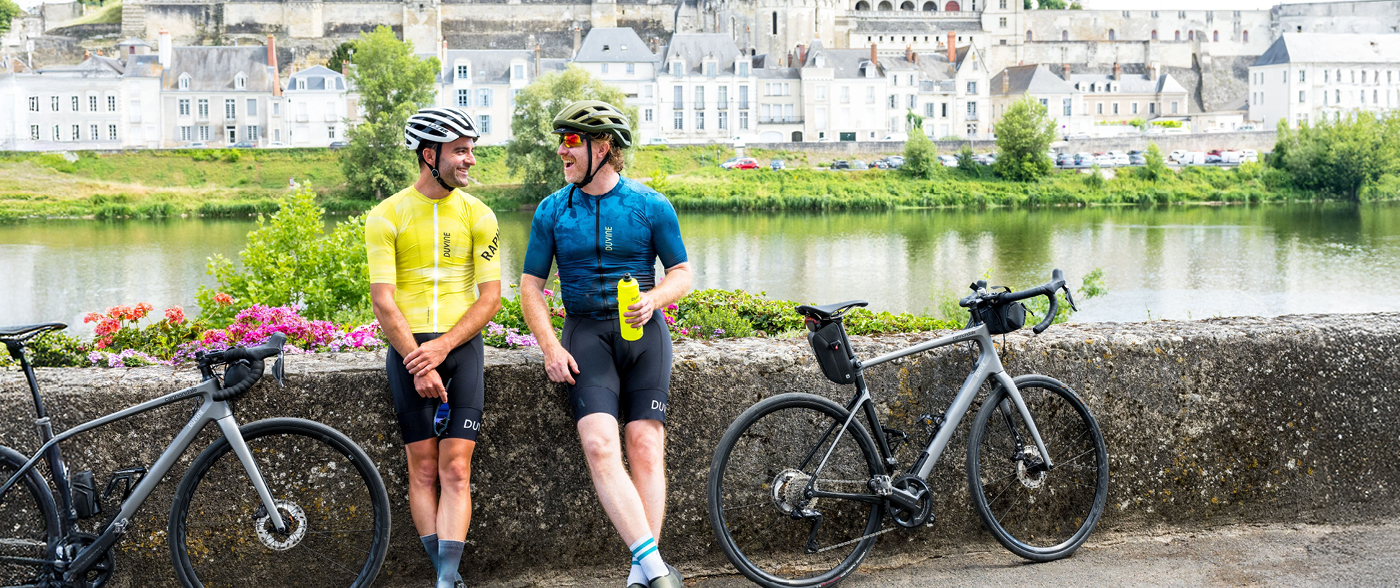
Never assume drivers, pedestrians, or fellow cyclists know your intentions. Communication is key—hand and voice signals are simple yet powerful safety tools. Use them to indicate turns, road hazards, approaching vehicles, passing, slowing, and stopping. Call out verbal cues in a loud, clear voice and always pass communications up and down the line.
Need a Drink? Pull Over
If you need water and don’t feel comfortable reaching for your water bottle while riding, it’s safest to stop first. Stopping allows you to rehydrate—and drink in the beautiful scenery—without compromising control. Signal to fellow cyclists before slowing down and pull well off the road so you don’t interfere with traffic or other riders.
Staying hydrated is key to maintaining focus and energy, so drink regularly and don’t wait until you feel thirsty. Coffee breaks and snack stops are embedded into routes on every DuVine tour, so you’ll stay fueled throughout the ride.
Enjoy Wine Tasting Responsibly
You can’t have DuVine without du vin (some wine)! Our tours include unforgettable tasting experiences at renowned vineyards and intimate family estates. Enjoy them—but if you’d rather not ride afterward, our support van is a comfortable option.
Ride with Traffic
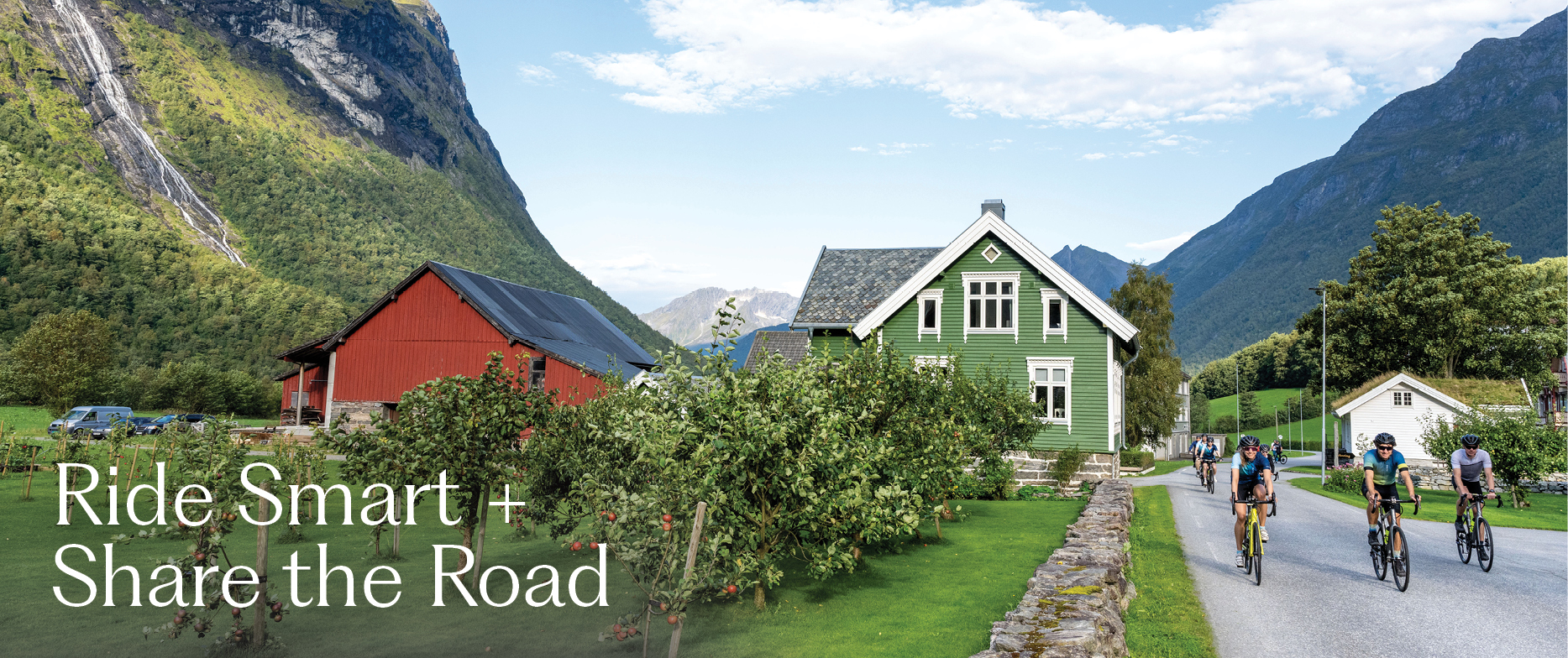
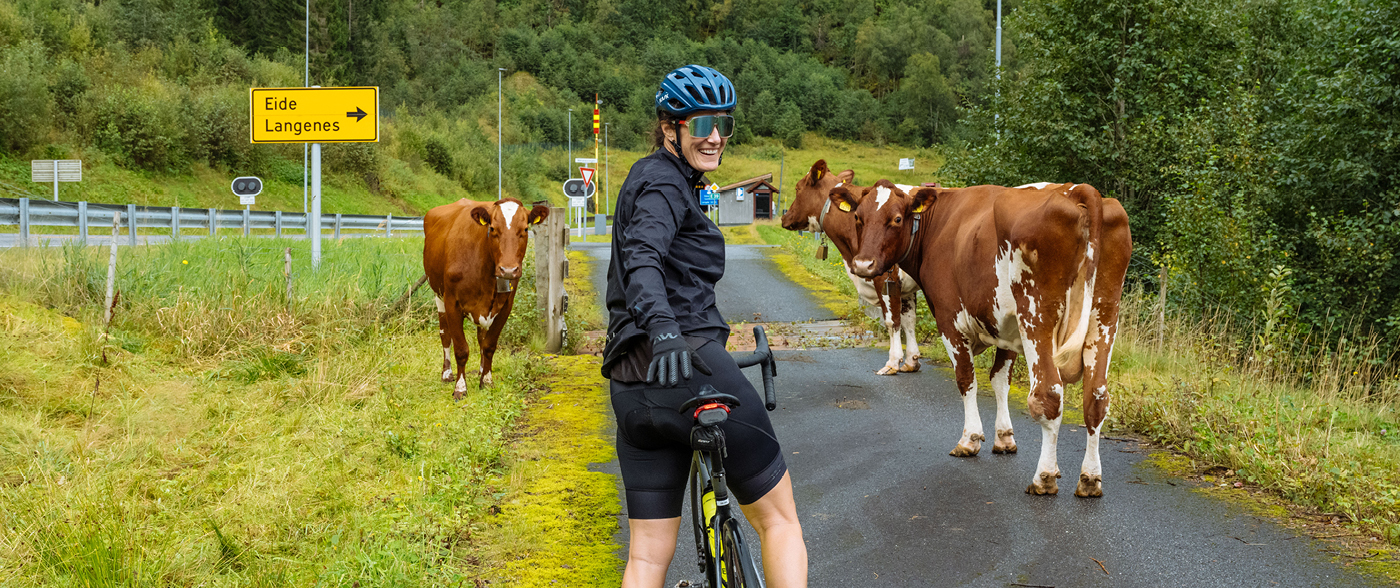
In most destinations, bicyclists are required to follow the same road rules as cars. Always ride in the direction of traffic and obey traffic signals, signs, and lane markings. Although you’ll often be cycling on quiet, country roads during your DuVine tour, it’s important to stay to the right (or the left in the UK) and ride in a straight, steady line: cars, farm vehicles, other cyclists, pedestrians, and even livestock can appear unexpectedly.
Keep about a bike length between you and the rider in front of you to allow for sudden stops. Be sure to dismount and walk your bike in pedestrian areas, where even a slow-moving cyclist can pose a hazard.
Practice Good Passing Etiquette
When overtaking another cyclist, be courteous and predictable. Look behind you before pulling out of line and announce your approach by calling out, “On the left!” Give the rider you’re passing a good amount of space—at least an arm’s length—and pass at a safe speed. Before moving back into line, make sure you’ve left enough room to avoid clipping the rider’s front wheel. On DuVine tours, we ask that you don’t pass on downhills.
Mind Your (E-Bike) Manners
Our best-in-class e-bikes are a great way to add an extra boost to your own pedal power, especially on climbs. Be mindful of those on road or hybrid bikes: maintain safe and consistent space between you and your fellow cyclists, control your speed, and slow down when passing.
“We recommend e-bike riders stay on the first or second assist levels,” says Arien. “The joy of a bike tour involves using your gears, getting exercise, and feeling a sense of accomplishment when you get to the top of a hill—all things you’ll miss if you’re on turbo mode the whole time.”
Anticipate Different Road Types
From peaceful farm lanes to gravel paths and cobblestone streets, different surfaces call for different levels of awareness. “During the morning briefing, guides talk about what to expect on that day’s ride,” says Arien. “Along the way, we either regroup or give guests a heads-up a few miles before any surface changes.”
On bumpy terrain, keep your body loose and relaxed, with a light, firm grip on the handlebars. On gravel or dirt roads, look for the smoothest line and watch for obstacles like loose stones or larger rocks. And remember—paved roads can have hazards, too. Watch for potholes, puddles, sewer grates, train tracks, wet leaves, oil slicks, loose asphalt, and other debris. Use hand and voice signals to warn others.
Perfect Your Posture
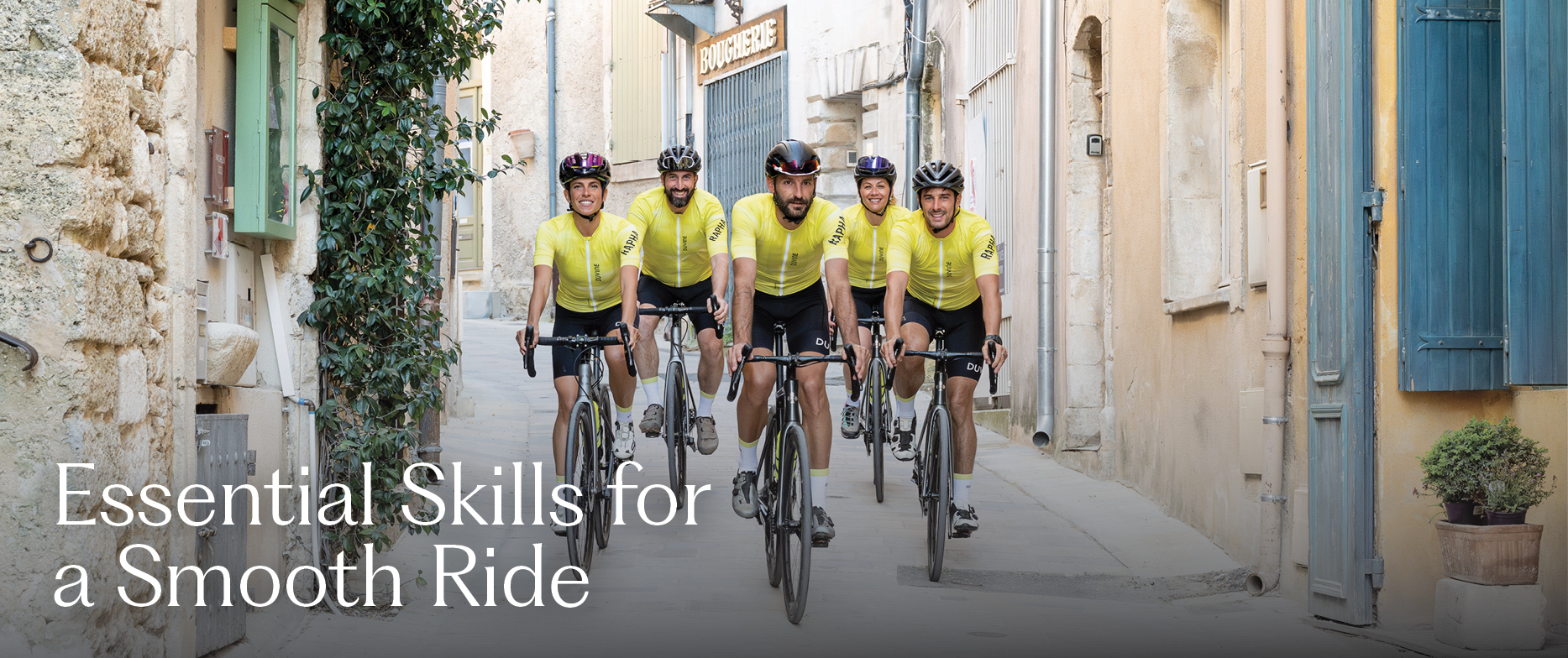
Proper posture ensures comfort and stability on the bike, lowering your risk of injury and improving endurance. “Your position should be more upright than you might think,” says Arien. Sit squarely in the saddle and relax your shoulders. Keep a slight bend in your elbows and a light grip on the handlebars.
Every DuVine guest completes a profile to help us size their bike, with the option to submit a Bike Fit Form for further customization. At the start of your tour, guides conduct a bike fitting to fine-tune for optimal alignment, positioning, and performance. If something doesn’t feel right, just ask: “DuVine guides are committed to making sure you are comfortable and well-fitted to your bike,” says Arien.
Pedal Physiology and Clipping in With Confidence
The key to efficient pedaling is to keep even pressure on both pedals through the full rotation of your pedal stroke. “If you push down too much with your quads when pedaling, it can lead to knee pain” says Arien. “Instead, imagine that you’re scraping something off the bottom of your shoe, pulling up with your hamstrings and your glutes.”
Cycling with clip-in pedals—the kind that attach to your cycling shoes via a special cleat—takes practice. To start riding, position your clipped-in foot at the top of the pedal stroke and clip in the other as it comes around. When stopping, choose the foot you naturally put down first and stick with it, unclipping before you stop completely. If you don’t ride with clip-in pedals at home, a bike tour isn’t the time to start. “You should already feel comfortable with clip-in pedals before using them on tour,” says Arien.
Get Into Gearing
Using your gears consistently and correctly will reduce your overall effort and give you greater control of the bike. Shift just before the terrain changes—especially approaching climbs—and listen to your body: if you feel like you’re pedaling fast and loose or pushing hard for very little payoff, that’s your cue to switch gears.
“I recommend that people keep a song in their heads and try to pedal to the beat,” Arien says. “If your legs start to slow down, shift into an easier gear to keep the rhythm. If you’re spinning too fast, shift into a harder gear. Staying with that beat helps you keep your cadence steady.” When slowing or stopping, shift into an easier gear so it’s easier to get moving again.
Brake Smoothly and Early
Good braking technique means slowing down gradually. Apply both brakes evenly, starting gently and adding more pressure until you come to a smooth stop. “You never want to squeeze your brakes abruptly,” says Arien. Scan ahead for traffic signals or changes in terrain so you can anticipate braking safely. On downhills, avoid holding your brakes continuously. Instead, feathering the brakes—applying them lightly and repeatedly—will help you maintain control without hand and wrist fatigue.
Stay Safe on Downhills
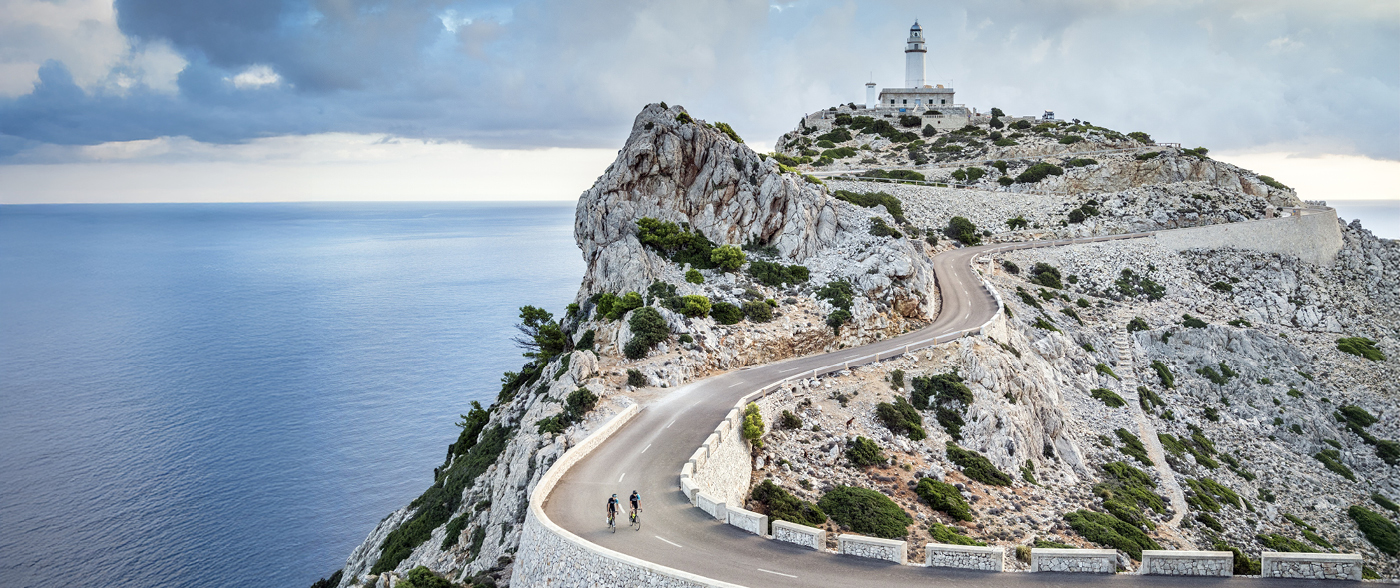
What goes up, must come down. Descents can be exhilarating, especially after a long climb, but they require focus. Shift your weight back in the saddle and relax your upper body, keeping your elbows bent and your hands near the brakes.
Scan the road for turns, blind corners, obstacles, or changing conditions so you have plenty of time to adjust your line and speed. “The most important thing is to look ahead,” says Arien. “Your bike goes where your eyes go. As you approach a turn, pull your brakes gently so you’re at a comfortable speed before entering it.”
Before long or technical downhill stretches, your DuVine guides will review the route and make sure everyone feels confident. “It’s a flow,” Arien says. “You’re on vacation—no need for stress or discomfort! If you have concerns or want to skip the descent altogether, tell your guides. We’re here to give you extra attention whenever you need it.”
Adapt for Weather
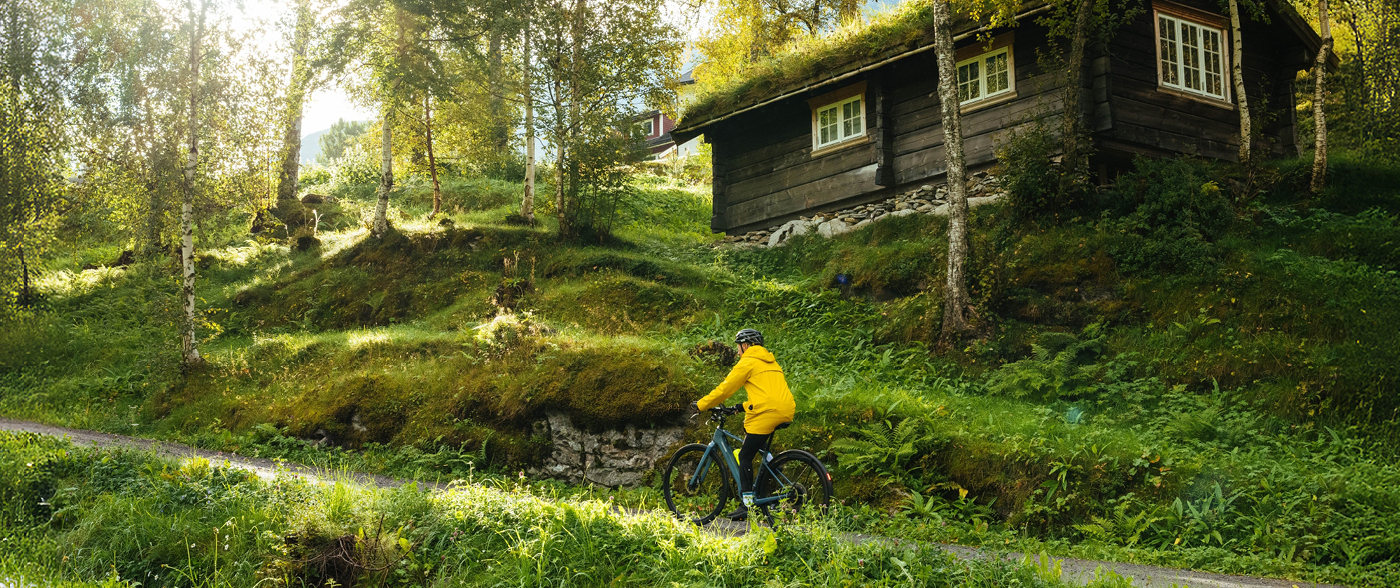
Wind, rain, and heat can all impact your ride. In wet weather, reduce your speed, increase your following distance, and allow extra time to slow down and stop. Take turns more slowly than usual and avoid puddles, which can hide potholes or debris. In cooler climates, layering is key: start with a good thermal base layer and keep a waterproof rain jacket handy—either in your jersey pocket or in our support van.
On hot days, plan to ride earlier in the day, seek shade whenever possible, and stay hydrated. “We always have plenty of water, ice, and electrolytes available,” says Arien. Lightweight, breathable cycling gear helps you stay cool and comfortable as temperatures rise. And don’t forget the sunscreen!
Navigation Made Easy
Although your DuVine guides will be with you every mile of the way, a bike computer adds extra peace of mind. GPS is available in most DuVine destinations and each day’s route is preloaded into the device, so you know where you’re going and what lies ahead.
Clear navigation cues signal upcoming turns and alert you if you go off route, while real-time data shows distance, elevation gain, and the grade of the hill you’re on. It even tells you how much farther you have to climb to reach the top. If you lose your way, return to the last place you were with the group—your guides will find you.
The Support Van Has Your Back
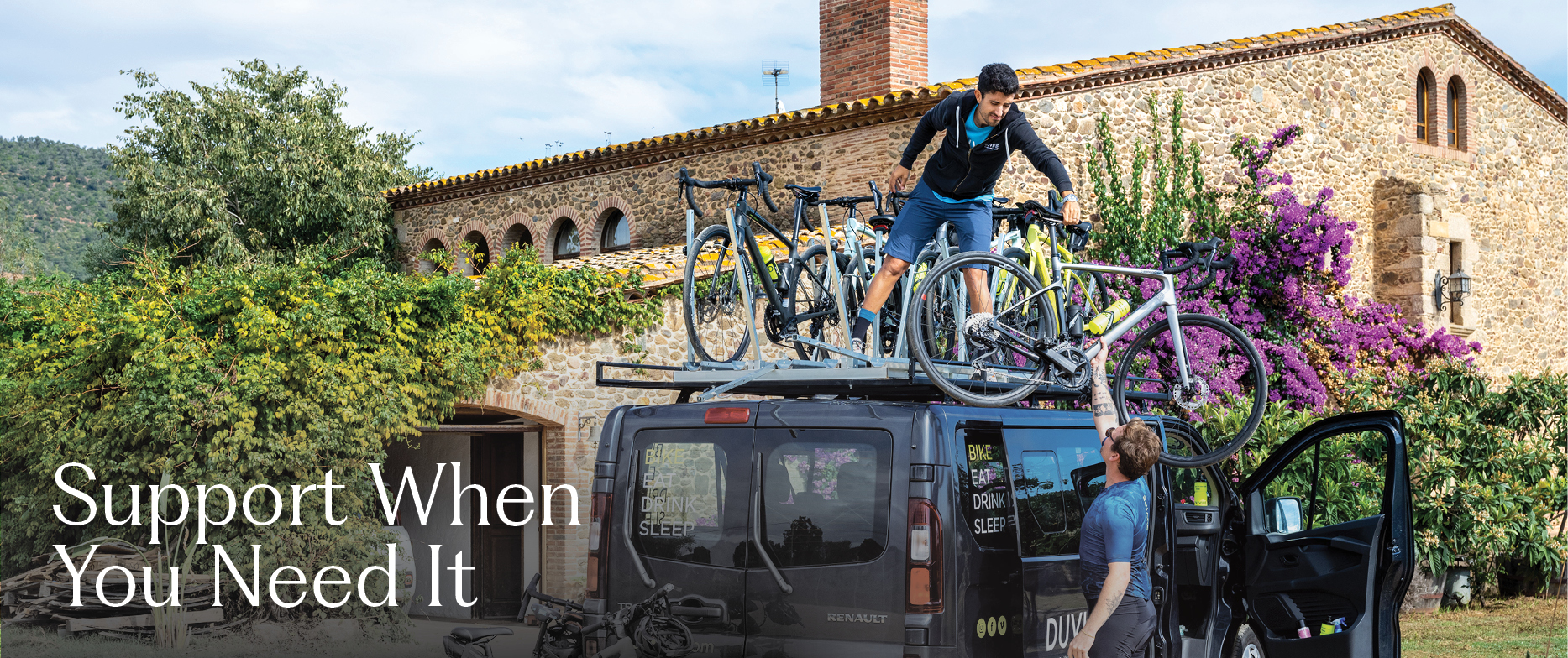
Hungry? Feeling beat? Need a bike adjustment? Our support van is always nearby with snacks, space for spare gear, mechanical assistance on demand, or a lift if you decide you’ve met your miles for the day. “Our van guides love company,” says Arien. “So if your bike gets tired, hop in—it’s a perfect opportunity to learn more about the local culture or get a few cycling tips.”
Know Before You Go
Only have a few minutes to brush up on staying safe while cycling with DuVine? Our guide Dalia sums up essential bike safety guidelines in this short video.