

Tour Highlights
- Pedal traffic-free roads through vineyards with majestic views of the Sierra del Cantabrico mountains
- Immerse yourself in the world of Tempranillo, Garnacha tinta, and Mazuelo varietals during tastings with local producers and visits to our favorite bodegas
- Savor Riojana and Basque dishes at the two-star Michelin restaurant known for launching the region’s culinary renaissance
- Pamper yourself at a series of luxurious historic properties that celebrate the architectural heritage of La Rioja
- Ride a section of the Camino de Santiago to the Monastery of Yuso, a UNESCO World Heritage Site recognized as the birthplace of the Spanish language
Eat
Tapas, Jamón Serrano, Manchego cheese, hearty Riojana stew, and lamb cooked in a wood-fired oven
Drink
Fruit-forward Rioja Crianza and complex Rioja Reserva red wines, made from Tempranillo, Garnacha, and Mazuelo grapes


Itinerary
Print Itinerary- Day 1
Bienvenidos
Your DuVine guides will greet you at one of our recommended hotels in downtown Bilbao, followed by a transfer to Palacio de Samaniego, a luxurious, nine-room boutique estate. After a safety review and bike fitting, set out on a ride along the scenic backroads of the Rioja Alavesa wine region, which weave through a golden landscape lush with undulating vines. Our destination is a prestigious, family-owned winery, where we’ll explore the caves and taste wines that have been crafted on the estate for five generations. The visit ends with a beautiful lunch in the vineyard, followed by a short ride back to the hotel. Spend the rest of the afternoon relaxing by the pool or stroll through the small village of Samaniego. Tonight, we’ll enjoy dinner accompanied by a selection of Rioja’s best wines at the hotel’s acclaimed restaurant.
Meals: Lunch / Dinner
Destinations: Bilbao, Samaniego
Accomplished: 17 miles / 27 km, elevation gain: 1,440 feet / 440 meters
Accommodations: Palacio de Samaniego or Marqués de Riscal - Day 2
The City of Cellars
Today, take your pick between an easygoing or a more challenging route toward the Ebro River, starting on serene roads high above the vineyards. Stop for a coffee at a local market, then continue riding to the medieval town of Laguardia, which sits upon a warren of 300 cellars carved from rock during the Middle Ages. These ancient cellars (called calados) aren’t just subterranean wineries—they were once hideaways to protect villagers in times of turmoil. They’re also a striking contrast to the ultra-modern wineries that have cropped up since Spain joined the European Union in the mid-1980s. From there, opt to tack on some extra miles or hop in the van for a lift back to the hotel, where our efforts are rewarded with a family style lunch in the garden. Tonight we transfer to Haro, the spiritual capital of the Rioja wine region. There, our friend Jaime opens the doors to his family-run restaurant, which has been serving its famous wood-oven roasted lamb since 1870.
Meals: Breakfast / Lunch / Dinner
Destinations: Lapuebla de Labarca, Laguardia, Samaniego, Haro
Accomplished: 28 miles / 46 km, elevation gain: 2,330 feet / 710 meters
Longer Option: 33 miles / 54 km, elevation gain: 2,990 feet / 910 meters
Accommodations: Palacio de Samaniego or Marqués de Riscal - Day 3
The Dynasties of Rioja
Begin the day with a gorgeous descent into the 10th-century village of San Vicente de la Sonsierra. After a quick coffee in the town square, settle in and start climbing into the Sierra de Cantabria mountains—our sights are set on Haro, where we’ll stop for lunch in the barrel room of a historic winery located in the Railway Station District. Inaugurated in 1863, Spain’s first electric railway was built to transport Rioja wines to Bilbao and beyond, bringing them to export markets around the world—many of the region’s best-known wine houses established their home base here. After lunch, continue riding or transfer by van to the charming town of Briones and our next hotel. Settle in and enjoy an après velo drink at the bar or take a stroll around town. Later, we’ll regather for a short transfer to see our friend Don Raphael, who guides us through an exclusive tasting before tonight’s dinner.
Meals: Breakfast / Lunch / Dinner
Destinations: San Vicente de la Sonsierra, Haro, Briones
Accomplished: 19 miles / 30 km, elevation gain: 1,345 feet / 410 meters
Longer Option: 30 miles / 48 km, elevation gain: 2,330 feet / 710 meters
Accommodations: Hotel Santa Maria Briones - Day 4
Origins of the Spanish Language
Today we cruise south to the 11th-century UNESCO World Heritage Monastery of Yuso, considered the birthplace of the Spanish language. We’ll pass pilgrims from around the globe and stop to chat as they hike this section of the 500-mile Camino de Santiago. Today’s lunch is a beautiful array of local cuisine served in the renovated part of the monastery, bridging the gap of time through food. Choose to bike back to the hotel or transfer by van for some downtime (and perhaps a Spanish siesta). Tonight, transfer to Laguardia for dinner on your own—your guides can suggest their favorite tapas bars or assist with restaurant reservations. On egin!
Meals: Breakfast / Lunch
Destinations: San Millan de la Cogolla, Briones
Accomplished: 21 miles / 33 km, elevation gain: 1,692 feet / 516 meters
Longer Option: 40 miles / 63 km, elevation gain: 2,841 feet / 866 meters
Accommodations: Hotel Santa Maria Briones - Day 5
Nectar of the Gods
Our pilgrimage continues as we pedal on vineyard roads and cross the flatlands into the Sierra de la Demanda. Pause at our favorite bakery in the village of Santo Domingo de la Calzada, where your guides will relate the legend of Saint Dominic and the miracle of the rooster. Continue riding to our friend Victor’s organic honey farm, where we’ll learn all about these fascinating pollinators. A gentle downhill brings us to the medieval town of Ezcaray for a lunch of classic Riojan tapas at a charming local restaurant. Spend the afternoon exploring Ezcaray: stroll the picturesque streets, shop for handwoven blankets and scarves, or visit the medieval church of Santa María la Mayor. Tonight, we’ll regroup for a celebratory aperitivo before dinner at the hotel’s two Michelin star restaurant, El Portal de Echaurren. The meal, prepared by our friend Francis Paniego—one of Spain’s most influential chefs—promises to be a culinary showstopper and is the perfect way to cap off an incredible week.
Meals: Breakfast / Lunch / Dinner
Destinations: Briones, Santo Domingo de La Calzada, Ezcaray
Accomplished: 33 miles / 53 km, elevation gain: 2,160 feet / 660 meters
Longer Option: 39 miles / 63 km, elevation gain: 2,300 feet / 700 meters
Accommodations: Hotel Echaurren - Day 6
Adiós Rioja
Bid adiós to La Rioja, its wines, medieval architecture, sumptuous gastronomy, and stunning landscapes. After breakfast, we transfer back to Bilbao where your guides will take you to your post-trip hotel or the Bilbao airport.
Meal: Breakfast
DuVine itineraries may be subject to slight route changes, hotel substitutions, and other modifications.
Arrival Details
Airport City: Bilbao, Spain Pick-Up Location: The Artist–Grand Hotel Pick-Up Time: 9:30 am
Departure Details
Airport City: Bilbao, Spain Drop-Off Location: Bilbao Airport or your post-trip Bilbao hotel Drop-Off Time: 11:00 am
Arrival and departure details for alternate itineraries and future year departures may be subject to change.
Dates + Availability

- DatesPriceSpecial Events
- Jun 28 – Jul 3$6,295
To reserve call +1 888 396 5383
- Jul 5 – 10$6,195
To reserve call +1 888 396 5383
- Jul 12 – 17$6,295
To reserve call +1 888 396 5383
- Aug 30 – Sep 4$5,995Reserved by a private group
- Sep 5 – 10$7,195
- Sep 6 – 11$6,295
- Sep 12 – 17$7,195
- Sep 13 – 18$6,295Reserved by a private group
- Sep 19 – 24$6,695
- Sep 20 – 25$6,695Book Now Space is limited!
- Sep 27 – Oct 2$6,595
- Oct 4 – 9$6,595
- Oct 11 – 16$6,595
- Oct 18 – 23$6,195
- DatesPriceSpecial Events
- May 2 – 7$6,495
- May 9 – 14$6,895
- May 16 – 21$6,495
- May 30 – Jun 4$6,895
- Jun 6 – 11$6,895
- Jun 13 – 18$6,495
- Jul 4 – 9$6,495
- Jul 11 – 16$6,895
- Aug 29 – Sep 3$6,495
- Sep 5 – 10$6,495
- Sep 12 – 17$6,895
- Sep 19 – 24$6,895
- Sep 26 – Oct 1$6,495
- Oct 3 – 8$6,495
- Oct 10 – 15$6,895
- Oct 17 – 22$6,495
Inclusions + Details
Accommodations
- Thoughtfully selected accommodations that reveal the true character of the region
- Luggage transfers
Meals
- Daily breakfasts, all lunches, nutritious snacks, and après velo cocktails
- 4 gourmet dinners at our favorite local restaurants and renowned culinary establishments
- Carefully selected local wine, beer, or spirits with every meal
Activities
- Wine tastings and activities as outlined in the tour itinerary
- Entrance fees to historic sites, museums, parks, and all other exclusive events
- Gratuities for baggage, porters, and hotel service
Gear
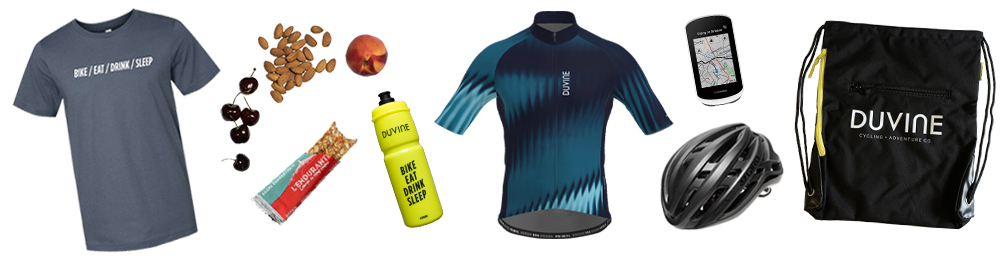
- Top-of-the-line bicycle selection
- Bike helmet
- Complimentary DuVine gear including a custom cycling jersey, DuVine t-shirt, water bottle, and drawstring bag
- GPS with pre-programmed route maps
Support
- Expert bilingual guides with extensive local knowledge
- Support vehicle that follows the day’s route, distributes refreshments, and offers lifts
- Pick-up and drop-off before and after your tour from predetermined meeting points
- Daily bike maintenance to ensure optimal performance

