Uruguay | Bike
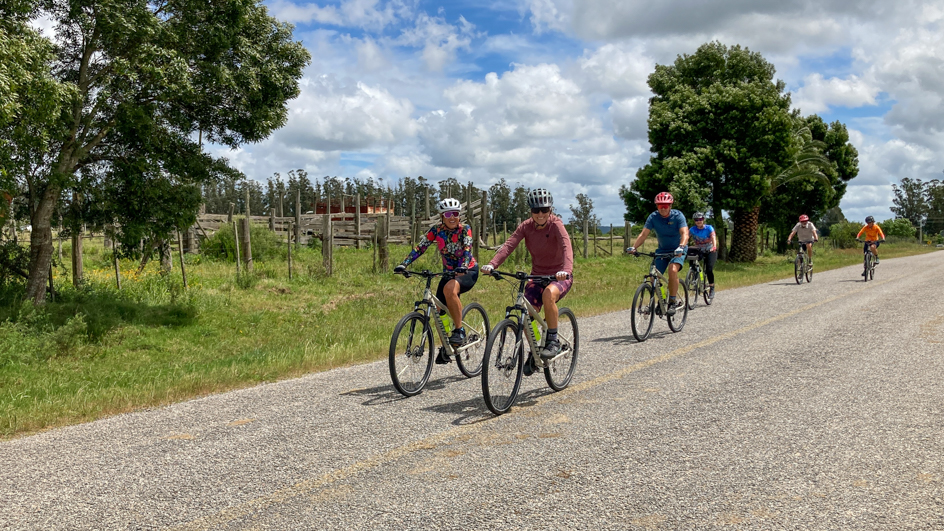
Our Uruguay Bike Tour begins with a short ferry crossing from Buenos Aires to the Uruguayan town of Colonia del Sacramento. We ride from Colonia’s UNESCO-designated historic quarter out into the surrounding countryside, where farmers still travel by horse-drawn cart, cattle graze in pastures beside red-earth roads, and the Río de la Plata shimmers through the trees.
In the vine-covered hills of Carmelo, easy rides finish with a tasting at boutique bodegas in the heart of Uruguay’s wine country. Montevideo moves at a faster pace, buzzing with culture, cuisine, and La Rambla—a seafront promenade well-suited to cycling. Beyond the capital, the coast takes over: tawny dunes, wild lagoons, and spectacular roads that trace the shoreline for miles.
“One day, we’re riding quiet country roads where horses outnumber people. The next, we’re following coastal routes between the ocean and Laguna Garzón,” says DuVine Founder and CEO Andy Levine. “The diversity between Colonia and Punta del Este—South America’s Riviera—is remarkable.”
Uruguay | Eat + Drink
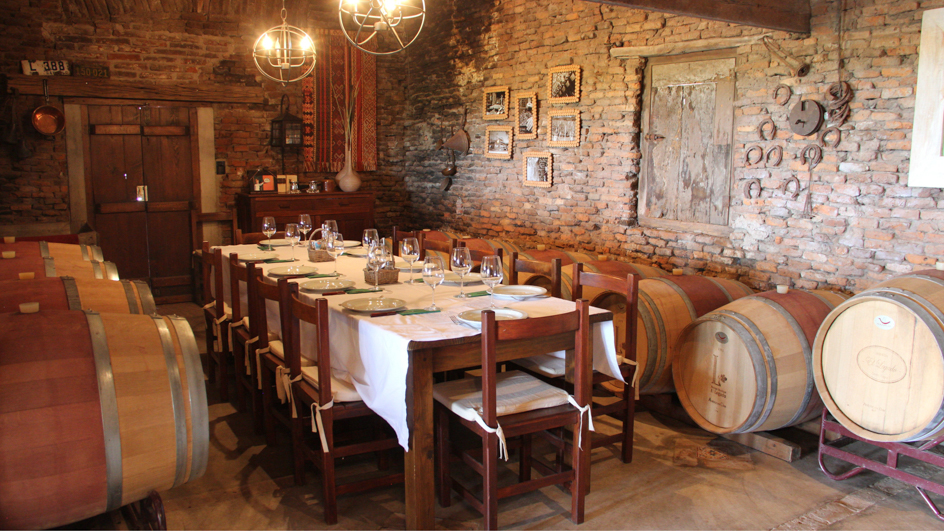
Uruguay does laid-back sophistication better than almost anywhere. In the rural interior, gaucho tradition is alive and well: family-style lunches consist of traditional asado—meats slow-cooked on a wood-fired parrilla—and glasses of Tannat, the wine that put Uruguay on the map. Long overshadowed by their neighbors in Argentina and Chile, younger generations of Uruguayan winemakers are coaxing this once-coarse French varietal into elegant, fruit-forward reds.
On the coast, Atlantic seafood takes center stage—squid-ink paella, fresh Iocal mussels, and grilled sea bass—paired with a new wave of cool-climate whites. Albariño is emerging as the country’s calling card, but the Tannat-Pinot Noir rosés are also exceptional. And everywhere, yerba maté flows freely. Sip slowly—there’s no rush here.
Uruguay | Sleep
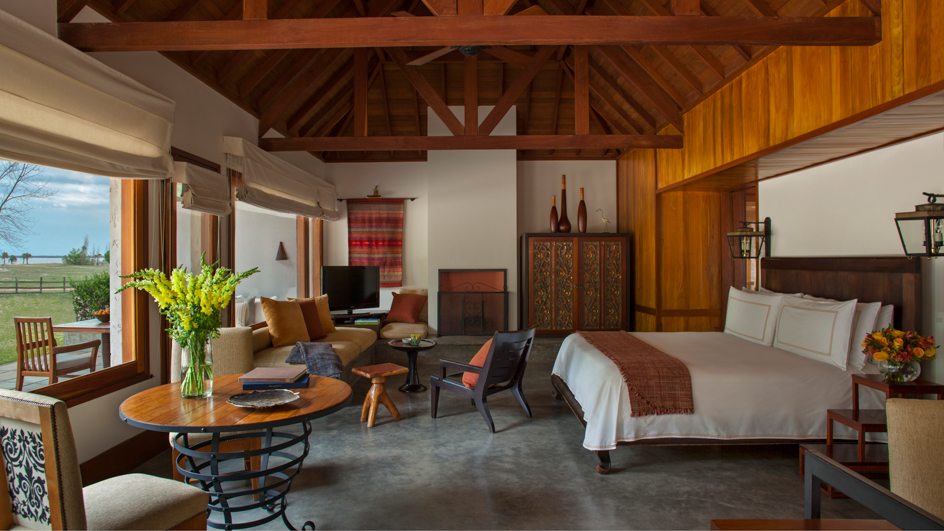
Accommodations follow the rhythm of our cycling routes. Spacious, serene, and perfectly positioned for exploring wine country, Carmelo Resort & Spa eases you in with eucalyptus-shaded bungalows overlooking Río de la Plata. The Sofitel Montevideo is a stylish interlude, bridging a night in the city with the wilder coast ahead. In the chic seaside village of José Ignacio, Bahia Vik is something else entirely: a sun-soaked bohemian beach retreat where owners Alex and Carrie Vik have woven their passions for art, wine, and the ocean into an unforgettable stay.
Chile | Bike
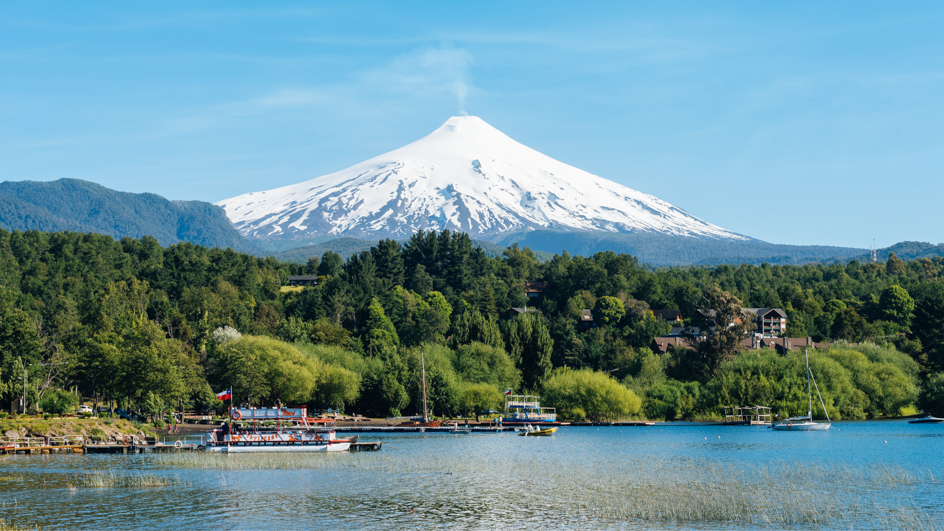
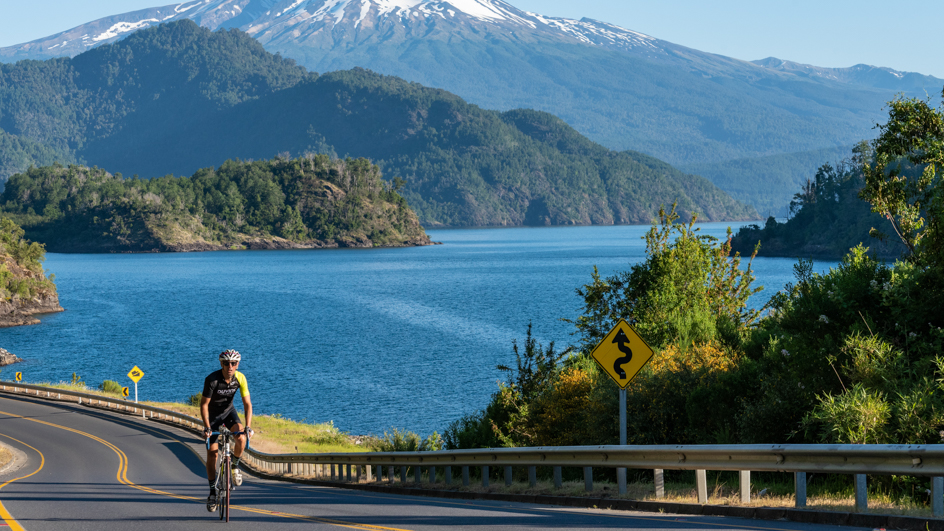
Chile may sit at the bottom of the Americas, but with its towering volcanoes and cycling that overdelivers, this destination is truly the top of the top. “The vast, untamed landscapes seem to shift with every turn in the road,” says Andy. “More than anything, cycling in Chile feels like being on another planet.”
Roads in the Lake District are smooth and quiet, traffic is virtually nonexistent, and the scenery is both endlessly varied and consistently spectacular: lakes of impossible blue, thundering waterfalls, ancient rainforests, and snow-capped massifs that rise from the valley with a grandeur that makes everything else seem small. Echoes of Switzerland, the Pyrenees, and Lake Como come to mind, but ultimately, a Chile bike tour defies comparison.
Chile | Eat + Drink
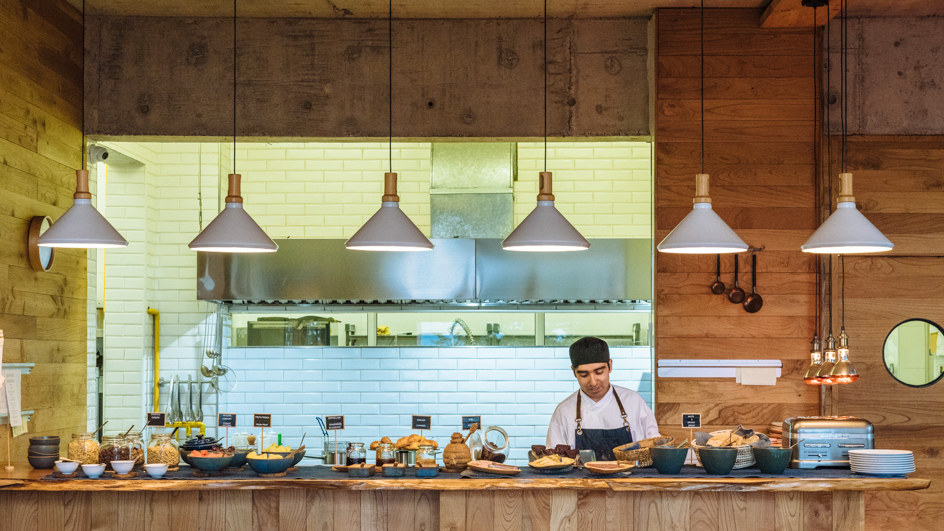
Clean, nourishing, and shaped by talented local chefs—Chile’s cuisine is one of its great surprises. Mornings begin with fruit, eggs, and avocado; lunches center on ceviche or vibrant salads of beets, tomatoes, and fresh herbs. Dinners showcase what the region does best: bass, trout, and salmon from the surrounding lakes and simply grilled meats that need nothing more than fire and salt.
The best expression of Chilean terroir is Caménère, a close cousin of Cabernet Franc. Big Bordeaux blends are another important style of Chilean wine and pair perfectly with hearty dinners, while local Sauvignon Blanc complements light, refreshing midday meals. Don’t leave without enjoying a pisco sour.
Chile | Sleep
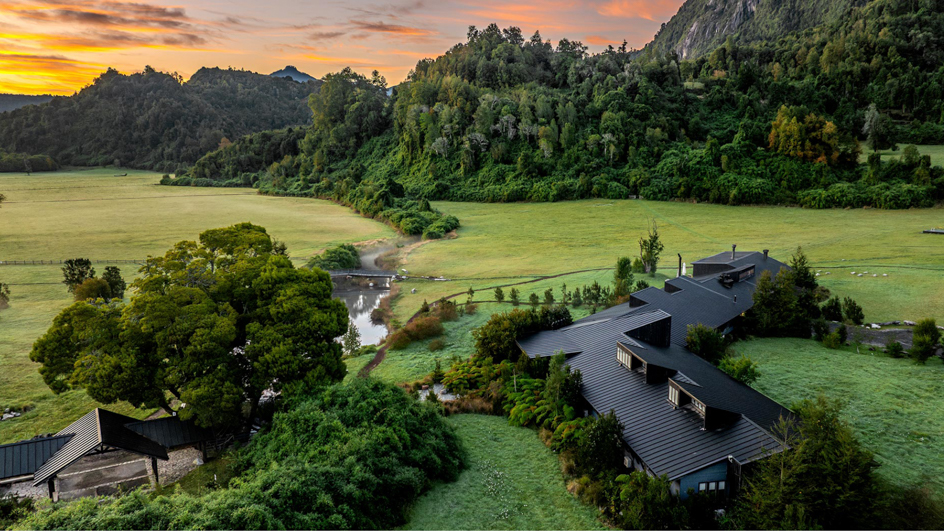
We’ve chosen a trio of lodges integrated into Chile’s northern Patagonia landscapes—places less like hotels and more like luxury basecamps for the natural world outside your door. At properties like Hotel AWA—a Leading Hotel of the World—and Rakau Lodge, rooms are crafted from natural materials with wood-fired hot tubs, crackling fireplaces, crisp bedding, and windows that frame the expansive and untamed terrain. Each property is an exercise in immersion, stillness, and profound sense of place—so you can appreciate Chile’s wild beauty from your first mile to the last moment before you fall asleep.