
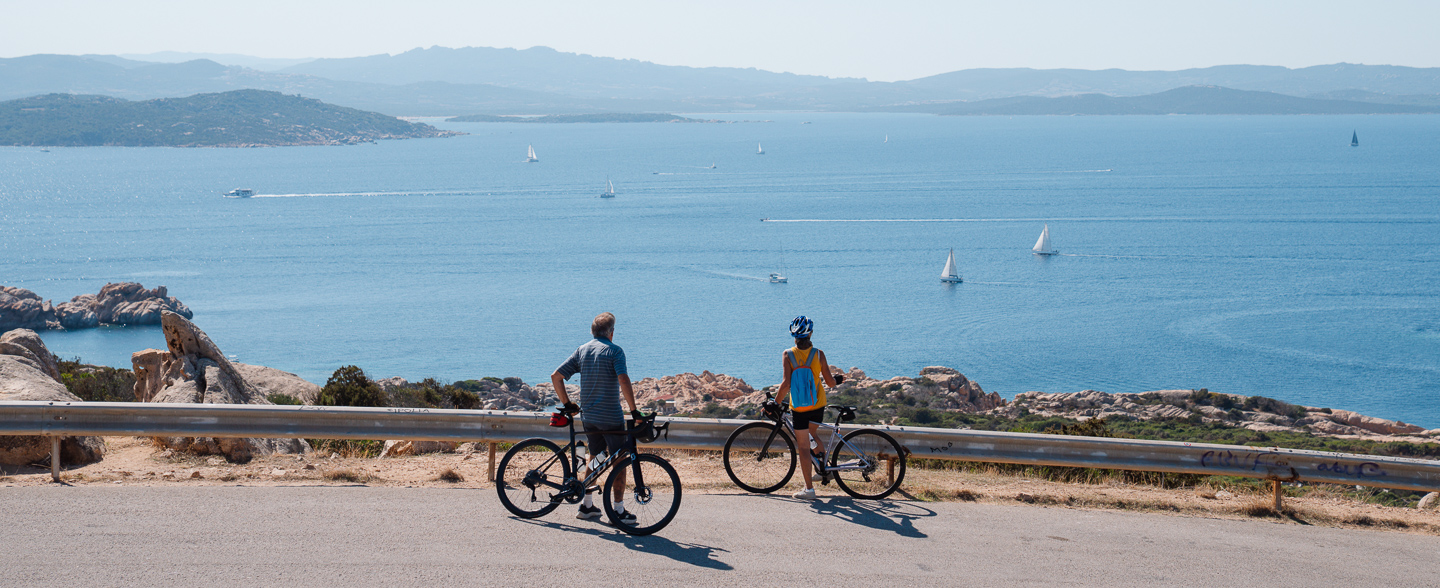
I know that moment, and the sense of loss it brings, all too well. Last October, after almost four years of debilitating nerve pain, I had a lumbar spinal fusion. As a runner who has logged thousands of miles and a yogi with a practice that borders on religious, being benched was devastating.
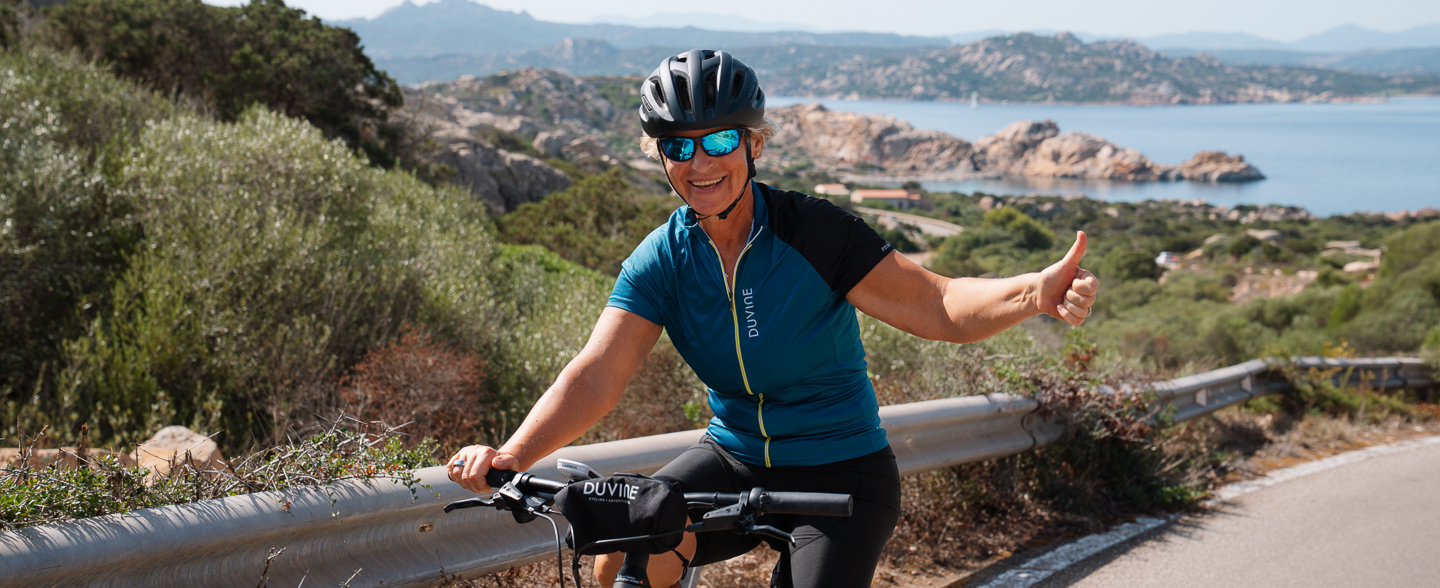
Fortunately, I found my way back on two wheels. I’ve always enjoyed biking but never thought it could give me the same level of fitness as running. Surprisingly, cycling turned out to be much more than a consolation prize. What started as a workaround became something I hadn’t expected—a bona fide athletic second act.
My experience is far from unique. Dr. Allison Fillar, MD, an orthopedic surgeon and sports medicine specialist at MedStar Union Memorial Hospital in Baltimore, has watched this scenario play out more times than she can count, in patients ranging from teenagers to adults in their nineties.
“In the United States, sports are ingrained into our culture, and people tend to identify themselves through their athletic involvement,” she says. “Exercise isn’t just physical—there’s a huge mental health component as well. Being told you’re not going to be able to participate in your favorite sport is hard. The key is finding other ways to keep moving, to get your heart rate up, to get your endorphins going, and to keep you feeling good.”
Cycling, as it turns out, does exactly that.
Why the Body Loves Cycling
For anyone navigating an injury or simply looking for a sport that’s built for the long haul, cycling comes with a straightforward biomechanical truth—the bike does some of the work for you.
“When you’re cycling, the bike supports a lot of your body weight,” Dr. Fillar explains. “It’s a great bridge back into fitness because it allows controlled motion without the same impact force of running or in sports that involve a lot of jumping.”
When you run, play tennis, or pivot on a pickleball court, your full body weight moves across your joints with every step and foot strike. Other high-impact sports—basketball, baseball, lacrosse, soccer, softball—stress your joints repeatedly and unpredictably from every direction. Cycling is different, Dr. Fillar says. “The motion is predictable and limited to one plane, so it’s often easier for an irritated knee, hip, or recovering limb to tolerate.”
And that propulsive, forward-driving rhythm runners crave? They’ll get it on the bike. Many runners—myself included—find the transition more natural than expected. Pedaling also promotes the production of synovial fluid, which helps lubricate joints, particularly in the hips, knees and ankles, lessening pain and increasing range of motion.
“Cycling is a great long-term alternative for runners who want that endurance exercise without the cumulative joint impact,” says Dr. Fillar, “whether that’s on the knees, hips, ankles, or spine.”
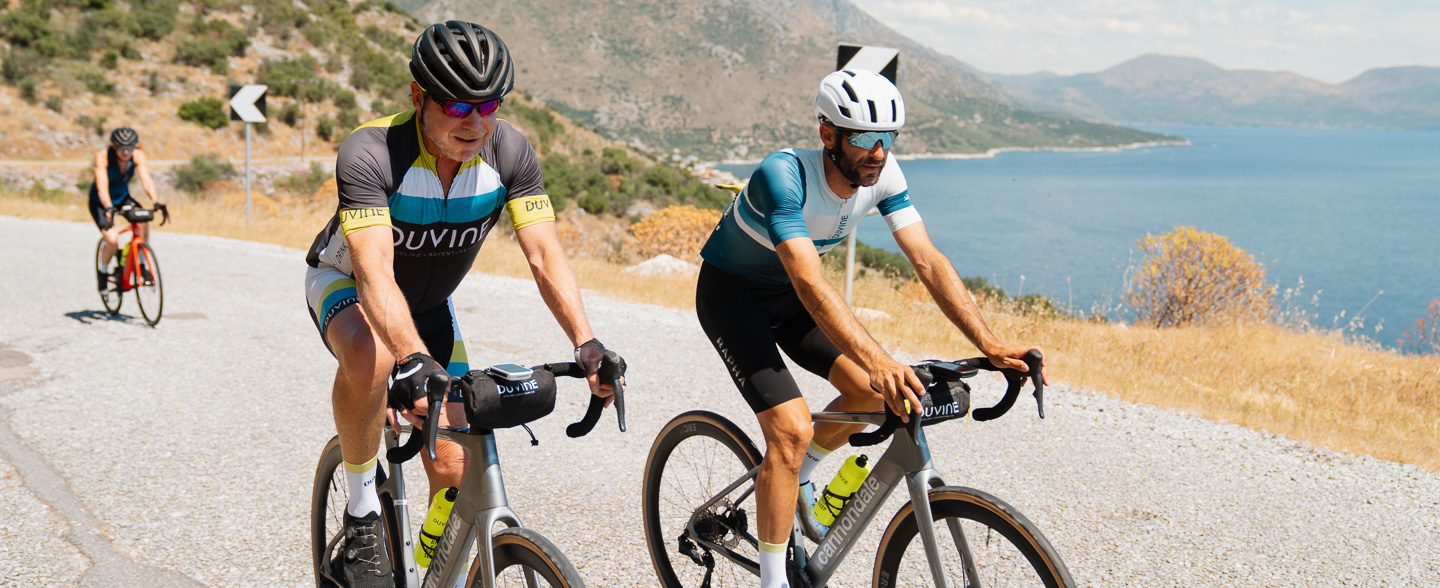
Surprisingly, cycling turned out to be much more than a consolation prize. What started as a workaround became a bona fide athletic second act.
Who Cycling Can Help
Dr. Fillar recommends cycling to a wide-range of patients—from teenagers recovering from acute injuries to patients well into their eighties and nineties managing chronic conditions. The list of injuries that respond well to cycling is long: back pain, cartilage pain, IT band problems, meniscus injuries, stress injuries, tendon issues, and arthritis, especially in the knees and hips.
“From an orthopedic standpoint, cycling allows patients to maintain their strength and conditioning while gradually reintroducing load,” Dr. Fillar says. “It’s one of the best ways to preserve cardiovascular fitness when you’re recovering from an injury.”
For athletes who have reached the point where their primary sport may no longer be an option, cycling offers something rare—a smart, safe way to stay active. “A body in motion stays in motion,” Dr. Fillar says. “Cycling is a great way to keep the body moving without accelerating wear on the joints.”
There are exceptions worth noting. Injuries to the upper extremities—shoulders, elbows, and wrists—need careful consideration because of the load placed on handlebars. And anyone who is getting back to form after surgery of any kind will need a doctor’s clearance before getting on a bike. “If you’re recovering from an orthopedic injury or you’ve had surgery, you need to consult with your surgeon regarding what restrictions will be in place, and for how long,” Dr. Fillar says.
Start Out Strong
It’s important to remember that cycling’s low-impact reputation doesn’t make it risk-free—even seasoned athletes need to start back slowly and thoughtfully. “I don’t think cycling is automatically benign,” Dr. Fillar says. Too much resistance, a rapid increase in mileage, or poor mechanics can aggravate anterior knee pain, patellar tendon symptoms, IT band issues, and low back or neck problems.
For anyone interested in incorporating cycling into their recovery, Dr. Fillar recommends starting with physical therapy. “Almost every PT office has either a recumbent or stationary bike, and that’s a good way for people to start seeing measurable impact in terms of increasing activity, building strength, and getting that cardiovascular workout as they recover and transition back to regular activity levels.”
Another important factor? Bike fit. “Small adjustments to saddle height, cleat alignment, and handlebar reach can really change how your joints are being loaded,” Dr. Fillar explains. “An improper fit can turn a low-impact activity into a repetitive use problem.”
The solution is twofold: visit a reputable bike shop for a fitting and pay attention to how you feel during and after rides. “I tell people to keep monitoring, especially if pain is worsening during their ride or persisting afterward,” she says. The goal is long-term, sustainable movement, so don’t ignore signals your body may be sending you. “When you transition to any new activity, you don’t want to go all out at first,” Dr. Fillar says. “Focus on gradually increasing resistance, distance, and endurance over time.”
E-bikes have become another useful tool, not only for patients recovering from injury, but for anyone who may have considered cycling too challenging. “E-bikes are a game changer,” says Dr. Fillar. “With pedal assist you can control the amount of support you need so you can rebuild your confidence while getting a cardiovascular benefit. For somebody in early recovery or for patients who are getting older and may not have that same physical capacity they once had, an e-bike is a great way to stay physically active.”
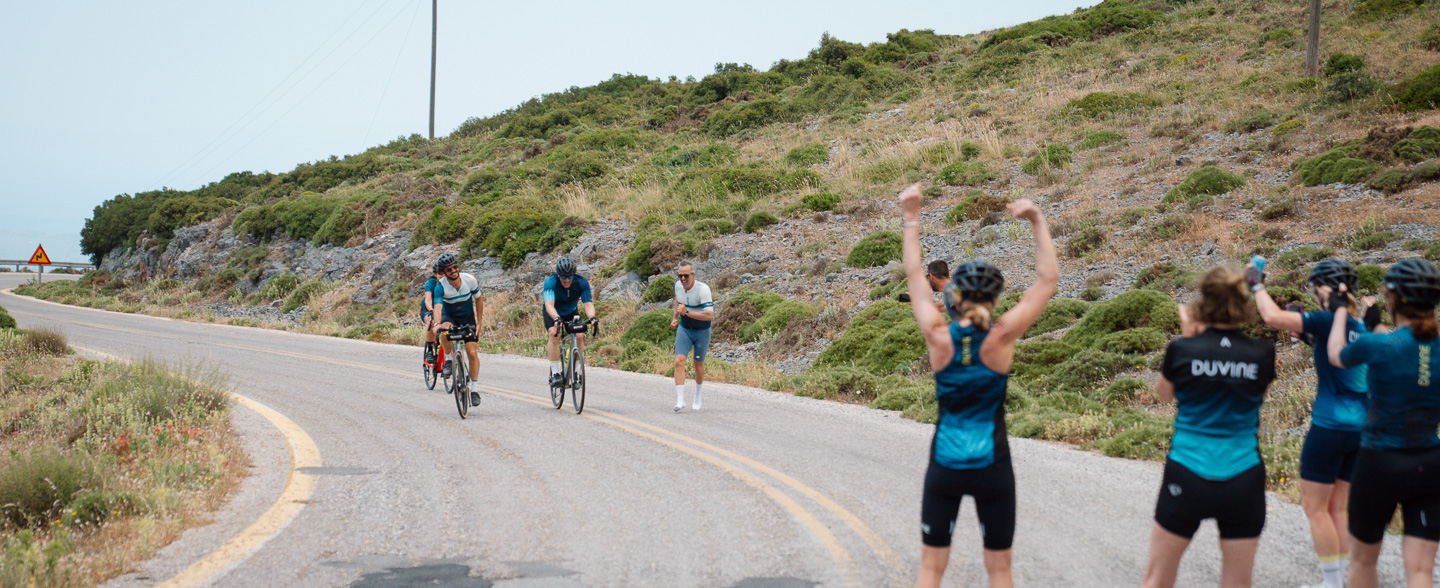
A body in motion stays in motion. Cycling is a great way to keep the body moving without accelerating wear on the joints.
The Mental Aspect of Coming Back
They physical side of healing is only part of the story. The other half—the identity crisis, the grief of leaving a beloved sport behind, and the fear of reinjury—can be harder to treat. “Injury, particularly acute injury, can turn your life upside down,” Dr. Fillar says.
When someone sustains an injury that takes away the sport that has shaped their routine, social life, and sense of self, the loss is real. Dr. Fillar sees that regularly in her practice. “It can really impact a person’s identity, mood, and confidence.”
Her response is to reframe the conversation entirely. Instead of handing a patient a list of restrictions, she focuses on finding an alternate path forward. “Rather telling someone, ‘You can’t do this, this, or this,’ I help them find substitutions that will keep them mobile, keep their heart rate up, and keep them feeling good.”
Discussions about long-term joint health and sustainable exercise aren’t always easy when a patient’s identity is tied to a sport they can no longer play. Presenting cycling as an option can lessen the blow. “It’s active and it’s measurable, so for people who are really competitive, it’s perfect,” she says. “And it’s something you can do for the rest of your life.”
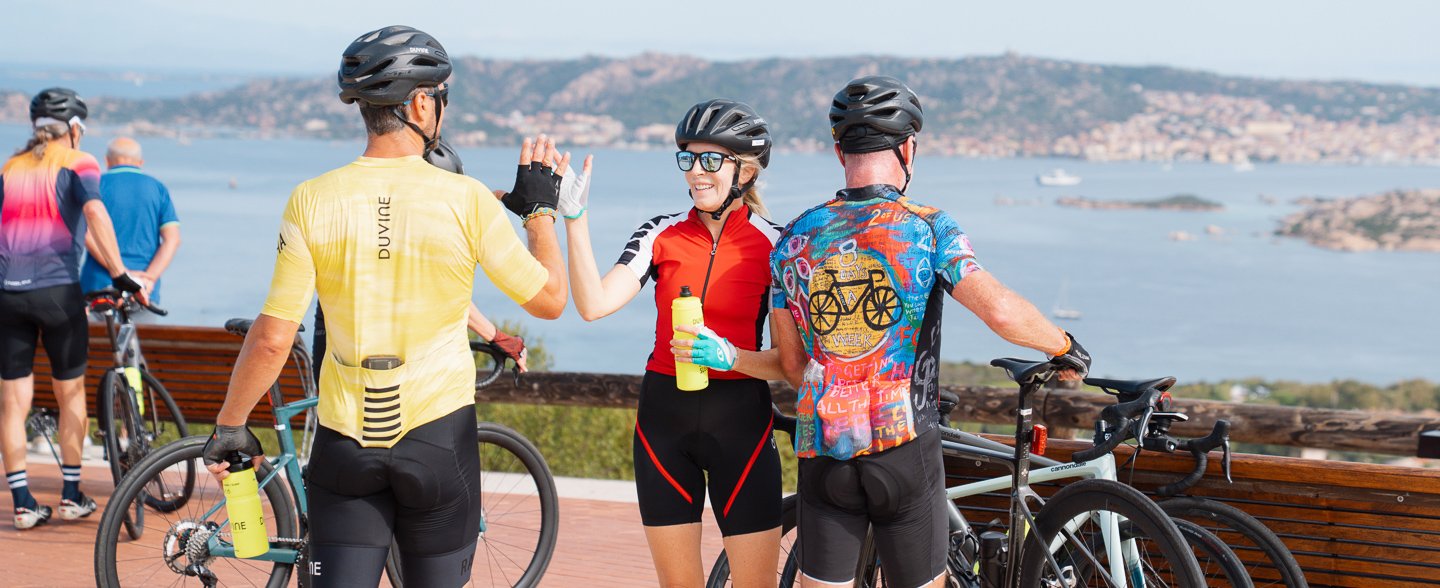
There’s also the community aspect of cycling—something Dr. Fillar thinks is deeply underrated. “We know that social connection is associated with better physical and mental health outcomes,” she says. “I think that group rides or cycling vacations, like the trips DuVine offers, create a real sense of community, which can be very valuable after an injury.”
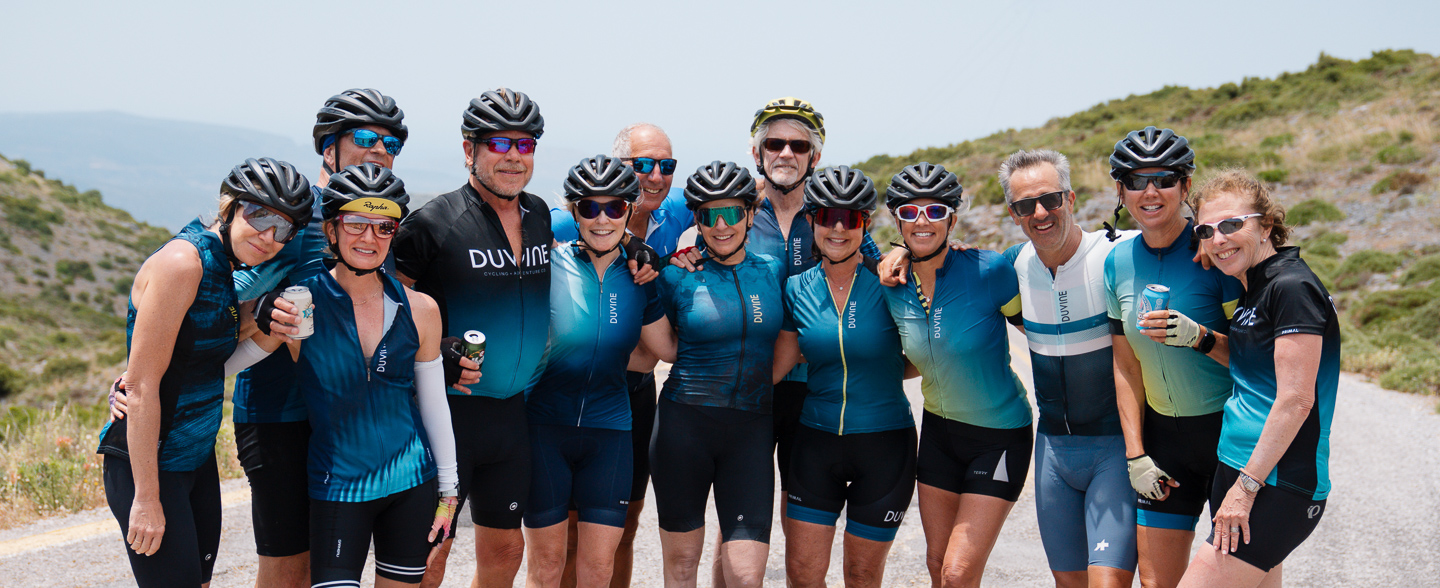
We're not just helping people recover from an injury, but encouraging them look forward to decades of activity and independence—cycling fits that exceptionally well.
Cycling as a Way of Life
One thing that often surprises new cyclists, especially those who were reluctant to adopt a new sport, is how quickly bicycling outgrows its origins as a recovery tool. What began in physical therapy with a few easy miles on the stationary bike becomes something to love: longer rides, a cycling club, a Strava membership, and eventually a multi-day bike trip.
“I often see feelings that shift from frustration to ownership,” Dr. Fillar says. “Patients who start cycling because running or court sports like pickleball or tennis have become painful discover that it’s very sustainable.” She describes one patient, a lifelong triathlete dealing with severe arthritis, who transitioned to cycling and never looked back. “She’s super competitive with it now,” she says. “Over time people discover that with distance goals, group rides, and improved fitness, cycling offers a version of athletic life that’s equally satisfying.”
And cycling, unlike other activities, doesn’t have an expiration date. “It’s one of the few endurance sports you can do into your 60s, 70s, 80s, 90s,” Dr. Fillar notes. “In my field, we’re increasingly focused not just on helping people recover from an injury, but encouraging them look forward to decades of activity and independence—and cycling fits that exceptionally well.”
What’s more, cycling isn’t just about athletic staying power—it’s also about where the bike can take you. “For many people who discover cycling as a joint-friendly way to stay active, it can also become a vehicle for adventure and exploring the world,” Dr. Fillar says.
Having a cycling trip to look forward to can serve as a powerful motivator—something to work toward that takes cycling from a rehabilitation tool to an exciting pursuit. It certainly worked for me. During the seemingly endless months when all I was allowed to do was take walks and practice heel slides, I put a trip to the Dolomites on my calendar. It shifted my perspective on recovery from simply healing to being ready to ride. Less than a year after a surgery I was on a bike in the Italian Alps, back in the saddle stronger than ever.
“Cycling vacations combine several things we know are beneficial for long-term health—regular aerobic exercise, social engagement, time outdoors,” Dr. Fillar says “From my perspective, that’s a powerful combination for physical and mental well-being.”

